
Manila, Philippines – Any company can buy new technology. Far fewer can do something much harder to copy: keep learning what their customers really need, and act on it.
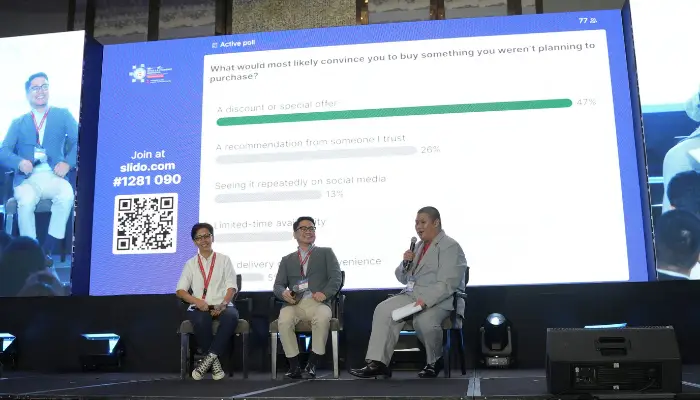
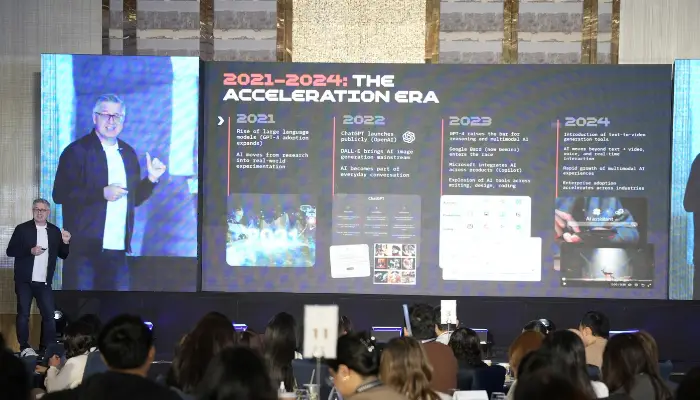
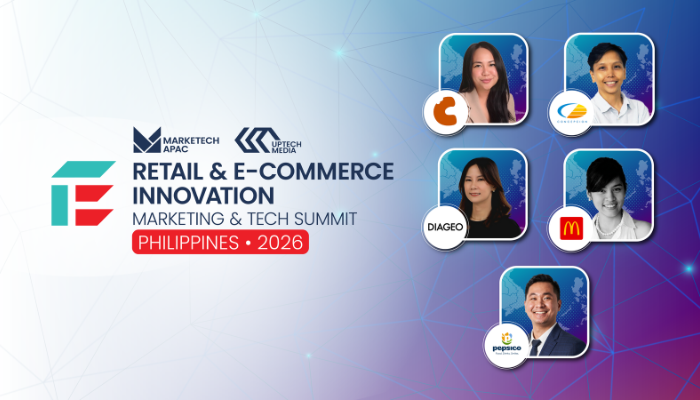
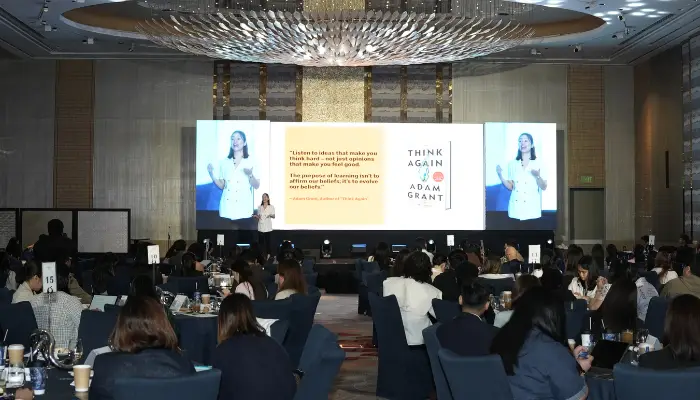
That was the central message of the keynote presentation, Customer-Centric Innovation: Turning Consumer Trends into Competitive Advantage, delivered by Katrina Lee-Chua, Assistant Vice President, Strategy & Insights and Digital at McDonald’s Philippines, at the recently concluded Retail & E-Commerce Innovation Marketing & Tech Summit Philippines 2026, held on September 10 at Shangri-La The Fort, Manila.
Katrina emphasised in her discussion that innovation alone does not keep a company ahead. The winners are the ones who watch how customer behavior is changing and turn those changes into products and experiences faster than their rivals.
The discussion circles on the main idea, which was not really about technology, or even about data. It was about the difference between collecting information about customers and truly understanding them, and why understanding is something a brand has to keep working at, not something it achieves once.
“Most innovations can eventually be copied,” Katrina said, “but what is much harder to copy is an organisation’s ability to continuously understand and serve customers better than everyone else.” In other words, a rival can imitate a new product, but not a company’s habit of learning from its customers.
Timing matters, Katrina said, because customers are changing faster than many companies. People now measure a brand against the best experience they have had anywhere, from Grab to Netflix to TikTok.
“The standard for customer experience is no longer defined by your category,” Katrina explained. Products are easy to copy. Loyalty, a customer’s choice to keep coming back, is much harder to earn.
Turning customer signals into real insight
To build that skill, McDonald’s Philippines follows a four-step cycle: listen, interpret, act, and scale. Listening draws on research, social media, sales records, digital behaviour, and what staff see inside restaurants.
But listening is not the same as collecting more data, Katrina stressed. Customers describe what frustrates them well, but they rarely supply the fix. “Listening and the data that we gather obviously tells us what happened,” Katrina said, “but it’s really insight and interpretation that helps us understand why it happened.”
That means listening to learn, not to validate. Validation protects what a team already believes, while learning updates it. Past experience can act as a filter that hides what has already changed, so Katrina urged leaders to keep asking what needs have emerged, what behavior has changed, and what they might be missing.
Nobody asked for on-demand viewing, a ride-booking app or a stay in a stranger’s home, but customers were signaling frustration with fixed schedules and uncertain rides, and a wish for more choice and flexibility when traveling.
“Customers will rarely tell us the solution, but they often reveal the problem,” Katrina said. “And it is our job to be able to connect the dots.”
Connecting those dots takes what Katrina called learning agility: questioning what you know, testing ideas, and working with different perspectives. “In customer-centric innovation, curiosity shouldn’t just be a soft skill,” Katrina said. “It should be a business capability.”
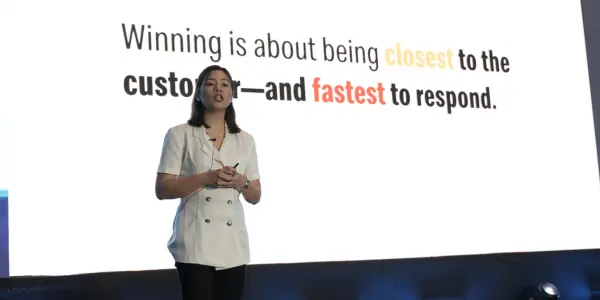
Acting on that understanding takes three forms, Katrina said: iteration, doing something that exists, but better; innovation, creating new value; and disruption, changing things so much that the old way becomes obsolete. Examples included the two-minute drive-thru challenge, which made speed measurable, and self-order kiosks, which gave customers more control.
The data foundation behind direct customer relationships
The clearest example, Katrina said, is the shift from paper coupons to the McDonald’s app. Many brands simply put coupons on a screen. McDonald’s saw a bigger opportunity: “to create a direct everyday relationship between the brand and the customer.”
“We’ve shifted from one-to-many marketing to one-to-one engagement,” Katrina said. In plain terms, that means speaking to each customer based on what the brand knows about them, instead of sending everyone the same message.
The same thinking drives the loyalty program, described as the first digital one in the quick service restaurant industry. Katrina said customers want more than points. They want to feel seen, valued and rewarded, which is why rewards now include exclusive experiences and merchandise alongside food.
Katrina made the point live, rewarding audience members with 500 or more app points and six people who had ordered at least 15 times in the past month. Loyalty can show up as points or as frequency, Katrina said, but “loyalty is really about customers choosing to come back to you.”
Each deal claimed, reward earned and repeat order also gives the brand first-party data, meaning information customers share directly through its own app, which helps it treat customers as individuals.
Belonging as the next stage of customer understanding
If understanding customers is the advantage, Katrina said, the next step is belonging. Personalisation, which means tailoring offers to each person, has limits: “Personalisation only tells us what customers are likely to buy. But fandoms actually ask a bigger question: what do people care about enough to participate in?”
Katrina pointed to fan communities such as Swifties and BTS fans, whose power comes not only from how many people admire the artist, but from the culture fans build themselves: friendship bracelets, memes and inside jokes. The artist provides the platform, but the community creates the culture.
McDonald’s now sees customers as fans of gaming, sports, Korean culture, P-pop and characters such as Grimace, and designs around the passions and communities they care about, not just what they buy.
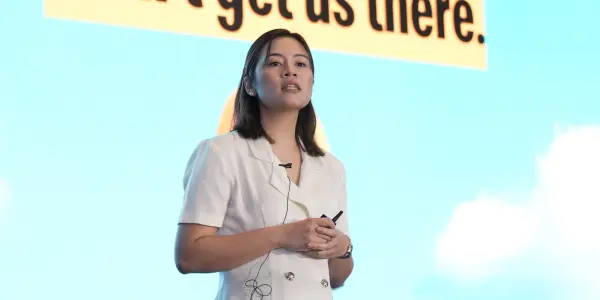
As Katrina put it, “what got us here won’t get us there.” Customers, culture and technology will keep changing, so the most important skill is not predicting what customers will want next, but the curiosity to keep listening, the humility to rethink what you know and the agility to respond.
“Innovations may create that advantage today,” Katrina said, “but it’s actually the ability to keep understanding our customers that will sustain that advantage tomorrow.”
For brands collecting more customer data than ever, the lesson is that volume is not the goal. Data shows what happened. Curiosity and a direct relationship show why.
Data alone does not create a better CX, understanding does. Sales records, app activity and social conversations can show what customers did, but it takes curiosity and honest interpretation to learn why, and a direct relationship to keep learning. That is what turns a coupon into a one-to-one connection, points into loyalty and personalisation into a sense of belonging.
The data that brands collect is only as valuable as their willingness to question it. Those that keep listening, challenge their own assumptions, and stay close to their customers will keep their edge long after their latest innovation has been copied.