

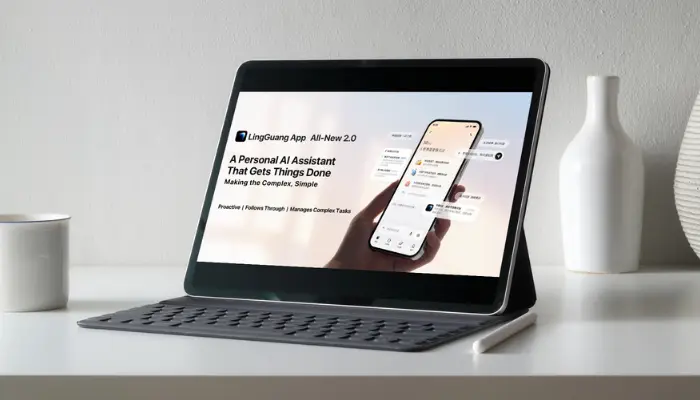
Hangzhou, China – Ant Group has upgraded its multimodal artificial intelligence (AI) assistant, LingGuang, to enable proactive task management, long-term scheduling and coordination across connected services.
LingGuang 2.0 is designed to identify potential user needs, follow up on tasks and manage everyday activities beyond individual conversation sessions. With explicit user authorisation, the assistant can use connected information and services to identify tasks, conduct analysis and notify users when action is required.
The upgrade introduces improvements to cross-session memory, long-term task scheduling and tool-calling capabilities. Running on independent cloud instances, the assistant can continue working beyond a single session and respond to new information or changes in task status.
Potential applications include reviewing Alipay spending records to identify forgotten recurring subscriptions, analysing spending patterns and suggesting savings opportunities. After users book flights or hotels, the assistant can also monitor price changes and notify them when lower prices become available.
Other uses include tracking pet care requirements, family birthdays and vehicle inspections, with follow-ups arranged within the permissions granted by users.
The upgrade also expands the assistant’s ability to work across applications and services. In addition to integrating with services within the Alipay ecosystem, LingGuang 2.0 supports tools such as the Model Context Protocol (MCP) and command-line interfaces (CLI) in open environments.
Its supported services include Alipay billing, membership and travel functions, as well as email, DingTalk, Lark and Mi Home. These integrations extend its potential use from personal information management and online tasks to cross-platform workflows and smart home device control.
Security and user authorisation are addressed through Ant Group’s APASS, an account and security management service for AI agents, devices, applications and services. The system incorporates identity authentication, intent safety and privacy protection into task execution.
It also separates authorisation keys from agents and holds them in escrow, allowing agents to carry out tasks without directly accessing credentials. Users can review, adjust or revoke permissions at any time, according to the company.