
Singapore – Dropbox has announced an expansion of its AI ecosystem through new integrations with major AI platforms including OpenAI’s ChatGPT, Anthropic’s Claude, and Google’s Gemini Spark, as the company aims to make its file management and collaboration tools more accessible within AI-powered workflows.
The updates are designed to allow users to access Dropbox content directly from AI applications, enabling them to work with trusted files, generate outputs based on existing project materials, and save AI-generated work back into Dropbox for collaboration and reuse.
According to Dropbox, the move reflects the growing role of AI in everyday work while positioning the platform as a central repository for files, collaboration, and governance across multiple AI services.
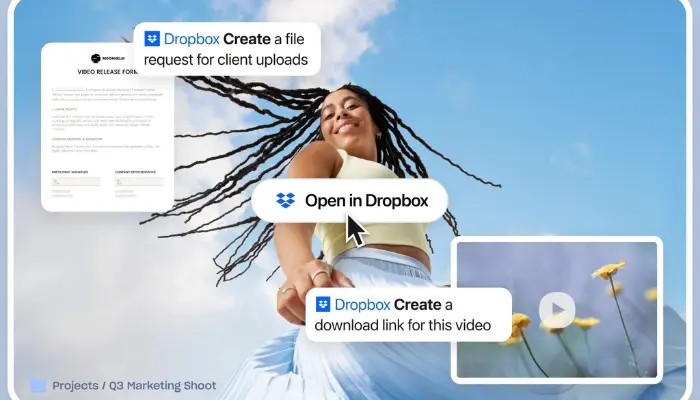
Among the latest updates is Dropbox’s expanded integration with OpenAI products, announced in July 2026. The integration spans ChatGPT Work, ChatGPT, and ChatGPT Codex, allowing users to organise files and folders, create shareable links, generate file requests, and complete multi-step workflows from within OpenAI’s ecosystem.
In June, Dropbox also introduced integrations across Anthropic’s Claude platform, including Claude, Claude Cowork, and Claude Code. The integration enables customers to access, organise, and act on Dropbox content directly within Claude-based workflows.
Also announced in June was Dropbox’s integration with Google’s Gemini Spark AI agent, allowing users to access and share Dropbox files as part of Gemini-powered workflows.
Dropbox said the integrations are intended to address the challenge of connecting AI applications with trusted organisational content, permissions, and collaboration workflows.
The company said the expanded ecosystem enables customers to bring Dropbox content into AI-powered workflows while continuing to use their preferred AI platforms. It also aims to improve the relevance of AI-generated outputs by grounding them in existing source files and organisational knowledge, while reducing the need to switch between applications or manually move content.
Dropbox added that AI-generated work can be stored as long-term assets that can be shared, reviewed, and reused across teams while maintaining existing permissions, governance controls, and collaboration processes.
The company said the latest integrations support different customer workflows but collectively reflect Dropbox’s broader strategy of serving as a content and collaboration layer across multiple AI platforms.
With more than 700 million registered users and organisations using Dropbox, the company said it seeks to provide secure and portable access to organisational context as AI becomes a larger part of daily work. It added that the integrations are intended to help ensure AI-generated outputs remain organised, shareable, and connected to team workflows beyond individual AI conversations.