

Singapore – Asia Pacific small and medium-sized enterprises (SMEs) are rapidly adopting artificial intelligence (AI) and digital payment tools, but a significant gap in cybersecurity protection is emerging alongside this shift. This is according to Mastercard’s latest report, based on a 2026 survey of more than 6,000 SMEs across 18 countries.
Seven in ten (70%) Asia Pacific SMEs said protecting their business from cyber threats is a high priority, the report found. Despite this, only 39% currently use dedicated cybersecurity tools, exposing a wide gap between stated concern and actual protection.
This gap is widening as digital operations expand. According to Mastercard, businesses are increasingly looking for security to be embedded directly into the financial tools they already use, rather than managed as a separate function.
AI, meanwhile, is moving further into day-to-day business operations across the region. Nearly three in four SMEs (74%) said they are excited about its potential, the report found.
Notably, fraud and security protection emerged as the AI-powered capability most sought after from a financial provider, cited by 47% of respondents. This places security squarely at the centre of how SMEs want to see AI applied, rather than treating it as a separate innovation.
The findings come as payment complexity continues to rise across the region. SMEs in Asia Pacific use four payment methods on average for business expenses, the report found, including electronic bank transfers (59%), instant payments (55%), debit cards (52%) and credit cards (47%).
Managing multiple accounts and funding sources creates operational friction and delays in reconciliation, according to Mastercard. This can result in blind spots around cash flow, additional time lost to administrative tasks, and compromises to both customer experience and growth.
“Businesses don’t think in terms of payment rails or funding sources. They think about paying suppliers, managing cash flow and keeping operations moving,” said Anouska Ladds, Executive Vice President, Commercial & New Payment Flows, Asia Pacific, Mastercard.
“Every business decision today has a financial dimension. SMEs need payment experiences that fit how they actually operate, giving them the flexibility to stay in control of their working capital, pivot faster to change and adapt to new trends and their customers’ needs,” Ladds added.
Demand for more secure, flexible payment infrastructure is particularly pronounced in India, according to the report. Some 63% of Indian SMEs expressed interest in real-time payments, compared with 51% regionally, while 45% said they were open to flexible digital payment solutions and 39% expressed interest in a combined credit and debit business card with spending controls.
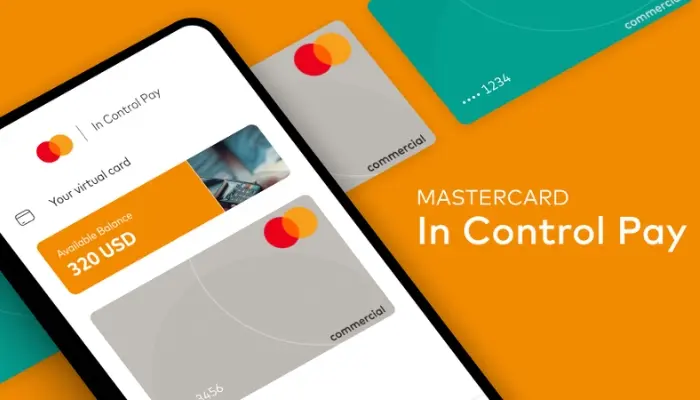
In response, Mastercard and City Union Bank (CUB) are piloting Mastercard One Credential in India, a fintech initiative designed to consolidate eligible consumer and commercial payment relationships under a single, more secure credential. The pilot marks the country’s first such offering, Mastercard said.
Designed for both individual consumers and SMEs, the solution allows multiple eligible payment relationships to be linked to a primary card, with transactions routed according to preset preferences such as transaction amount and merchant category. For SMEs specifically, Mastercard said this could help separate personal and business expenses while offering greater control over how payments are funded and authorised.
Beyond payments infrastructure, the report also points to broader digital adoption trends shaping SME operations. Asia Pacific SMEs now use five business tools on average, with 94% expressing interest in adopting at least one additional tool they do not currently use, compared with 89% globally.
Three in four SMEs (74%) told Mastercard that integrated business tools are now critical, reflecting a growing expectation that fintech, AI and security capabilities work together within a single connected system, rather than as fragmented, standalone solutions.