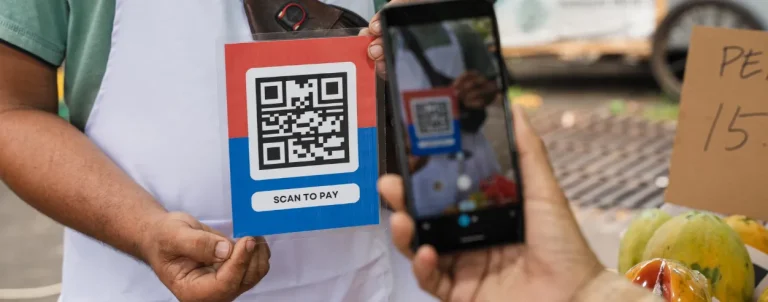


Singapore – Southeast Asia’s e-commerce market is projected to become the world’s second fastest-growing market by 2029, according to a study commissioned by 2C2P by Antom and conducted by market intelligence firm IDC.
The report forecasts the region’s e-commerce market to grow at a compound annual growth rate (CAGR) of 13.2% between 2024 and 2029, second only to India globally. The study estimates the market will expand by 85.4% to reach US$289.8b by 2029.
Digital payments are expected to continue driving the region’s e-commerce growth, with digital transactions projected to account for 97% of all e-commerce payments by 2029, up from 89% in 2024.
Among payment methods, domestic payments such as real-time payment systems and local bank-based payment schemes are forecast to record the largest increase, growing 104% to US$92b in 2029 from US$45.1b in 2024. The segment is projected to account for approximately 32% of Southeast Asia’s digital payments market by 2029, overtaking cards as the largest contributor.
Mobile wallets are also expected to see significant growth, rising 107% to US$79b in 2029 from US$38.2b in 2024. Their share of the e-commerce market is projected to increase to 27% in 2029 from 24% in 2024.
Meanwhile, Buy Now Pay Later (BNPL) transactions are projected to grow 174%, reaching US$18.9b by 2029 from US$6.9b in 2024.
The report noted that digital payment adoption is being driven in part by structural gaps in the region’s financial infrastructure, with 56% of Southeast Asia’s population still uncarded, according to World Bank data. Mobile wallets and domestic payment systems are increasingly being used to address low card penetration, large unbanked populations, and limited access to traditional banking services.
The study also examined the role of small and medium enterprises (SMEs) in the region’s digital economy. Based on a survey of 600 SMEs across Indonesia, Malaysia, the Philippines, Singapore, Thailand, and Vietnam, the report found that 66% of SMEs now sell online.
However, the report highlighted uneven digital maturity across the region. Around one-third of SME respondents said they still rely heavily on cash in daily operations, including in more digitally advanced markets such as Singapore.
According to the study, SMEs continue to face barriers including integration complexity, fraud concerns, high fees, and infrastructure limitations. Challenges vary by market, with infrastructure and connectivity issues cited in Indonesia and the Philippines, while SMEs in Singapore and Vietnam pointed to security and integration concerns. Businesses in Malaysia and Thailand identified cost and regulatory pressures as key issues.
The report also found that 63% of SMEs believe their current payment systems require upgrades or replacement to support emerging payment trends.
While only 49% of surveyed SMEs currently engage in cross-border trade, about three-quarters said they plan to expand internationally within the next two years. The report noted particularly strong expansion ambitions among SMEs in Indonesia and Thailand.
IDC estimated that broader SME participation in cross-border e-commerce could generate an additional US$20.8b in regional sales by 2029, representing a 7.1% increase in Southeast Asia’s overall e-commerce value.
Worachat Luxkanalode, Group CEO of 2C2P by Antom, said, “Amidst the continued growth of Southeast Asia’s ecommerce markets, 2C2P by Antom is committed to equipping businesses of all sizes with the knowledge and payment solutions to navigate the complex and fragmented payment landscape of Southeast Asia. Southeast Asia’s businesses, and especially SMEs, are at the heart of the region’s economic growth—contributing more than 50% of GDP in major markets and employing 64.6% of the workforce—but many are still navigating the complexities of digital transformation.”
He added, “As payment ecosystems evolve rapidly across different markets, businesses of all sizes need solutions that can simplify operations, support diverse local payment preferences, and enable them to scale across borders. With our enterprise-grade payments platform, businesses of all sizes can address these challenges through a single API, unlock new opportunities and fully participate in the region’s prosperous digital economy.”