
Singapore – SailPoint bring new innovations to its AI-powered SailPoint Platform as organisations face increasing complexity in identity governance driven by cloud adoption, AI systems and a growing number of machine-based identities. The developments form part of an adaptive identity approach intended to address emerging security challenges across modern IT environments.
The latest capabilities include tools designed to improve visibility into privileged access risks. New functions automatically identify and classify privileged accounts across enterprise systems while providing intelligence intended to support more secure management of high-level access rights.
The platform also introduces additional connectors designed to discover and manage non-human identities, including AI agents operating across enterprise platforms such as Microsoft 365 Copilot, Databricks, Amazon Bedrock, Google Vertex AI, Microsoft Foundry, Salesforce Agentforce, the ServiceNow AI Platform and Snowflake Cortex AI. Updates to SailPoint Machine Identity Security add lifecycle management capabilities for traditional machine accounts.
“We are moving toward a new, AI-powered adaptive approach to provide continuous visibility and real-time governance for all identity types, including AI identities, machines, agents, and credentials,” Chandra Gnanasambandam, EVP of product and chief technology officer at SailPoint, stated.
“This year, we aim to help our customers move to least privilege or zero standing privilege. It’s about truly securing the business, not just checking a box, at the speed that AI-driven enterprises demand.”
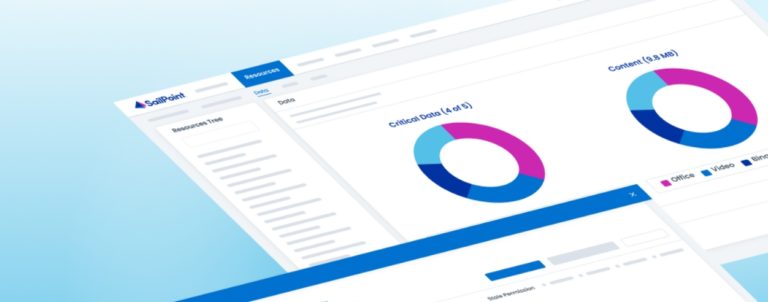
Further additions to the platform include the introduction of a new AI-driven agent within SailPoint Harbor Pilot, which allows users to request system access through a conversational interface intended to simplify the process. Moreover, enhancements to SailPoint Observability & Insights and SailPoint Data Access Security provide additional visibility into privilege-related risks within the SailPoint Identity Graph while enabling organisations to better map how sensitive data is accessed.
The company has also outlined plans for a next-generation access certification engine and a redesigned separation of duties framework aimed at modernising governance processes, with availability expected in the second half of 2026.
The developments reflect wider industry concerns that traditional identity governance methods, often reliant on periodic manual reviews, are becoming increasingly difficult to maintain in environments characterised by extensive cloud services, automated systems and AI-driven applications.
Meanwhile, SailPoint’s adaptive identity framework focuses on continuous oversight of access permissions, governance for non-human identities, dynamic management of privileged access, and closer integration between identity security systems and security operations functions.
The framework aims to support real-time governance, extend identity security beyond human users to include AI agents and machine workloads, limit persistent privileged access through temporary permissions, and strengthen the connection between identity management and threat detection capabilities.