

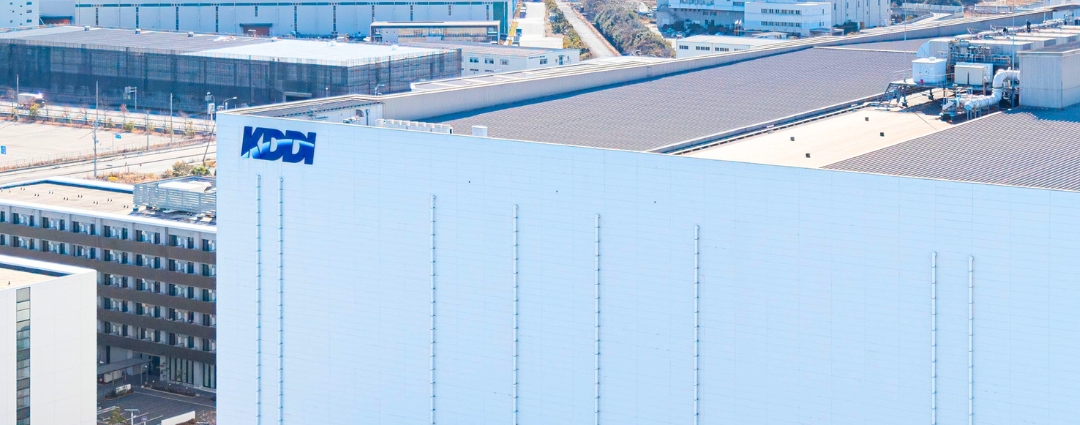
Singapore – Nokia and KDDI Corporation have conducted a demonstration of quantum-secure optical transport technology at KDDI’s Sakai Data Centre in Japan, a facility developed to support advanced AI workloads and large-scale data processing.
The trial forms part of KDDI’s wider efforts to establish resilient digital infrastructure capable of supporting real-time AI training, inference and analytics. The network architecture incorporates embedded cryptographic capabilities and is designed to maintain continuous, secure transmission of sensitive information, including personal data and mission-critical systems.
Using Nokia’s 1830 Photonic Service Switch (PSS) platform with C+L band technology and its 1830 Security Management Server, KDDI assessed the deployment of a high-capacity optical environment intended to be scalable and prepared for AI-driven demand.
The system is engineered to deliver encrypted data transmission with quantum-resistant protections, while maintaining performance across geographically distributed data centre locations.
“This groundbreaking initiative sets a new benchmark for advanced AI-ready data centre connectivity. As KDDI continues its quantum-safe, AI-ready data centre infrastructure build out, our partnership will deliver secure and scalable digital services in Japan and beyond,” Ron Johnson, senior vice president and general manager of Optical Networks at Nokia, stated.
“Nokia’s optical transport solutions meet the demands of modern AI workloads by delivering trusted performance, while at the same time reducing cybersecurity risks, protecting critical AI data in flight for enterprises, governments, and critical infrastructure providers.”
The demonstration reflects increasing industry focus on securing data in transit as AI applications expand and computing infrastructure becomes more decentralised. By integrating quantum-safe encryption into its optical transport layer, KDDI aims to strengthen protection for enterprise, public sector and infrastructure operators relying on secure connectivity.
“High levels of security and performance are essential for the communications infrastructure that underpins AI,” Tetsuo Mukai, general manager of access network technical division at KDDI, commented.
“As AI data centres are deployed in a distributed manner across Japan, we will continue to work closely with Nokia to advance the development of cutting-edge quantum-safe and resilient networks that seamlessly connect these facilities.”
As Japan continues to expand distributed AI data centre deployments, both companies intend to advance the development of optical networking technologies that combine high throughput with enhanced cybersecurity safeguards.